In my Pretoria practice, one of the most common questions I hear is: “Doctor, with so many products out there, what truly makes a difference?” More often than not, my answer leads us to a discussion about the powerhouse of any effective skincare regimen: the serum. But this isn’t just about a trendy step in a routine. From a medical and aesthetic perspective, it’s about understanding the fundamental science of how our skin absorbs ingredients and how we can work with its biology, not against it.
The Structural Superiority of Serums
Let’s start with the basics. Why is a serum that light, often watery step, so often hailed as more effective than a rich cream? The answer lies in its formulation. Serums are engineered as low-viscosity, high-concentration vehicles. This means they contain a higher percentage of active molecules (think Vitamin C, retinol, niacinamide) and fewer of the thick emollients and “filler” ingredients needed to create a luxuriously creamy texture. This lightweight structure is key.
Our skin’s outermost layer, the stratum corneum, acts as a protective brick-and-mortar wall. A rich, occlusive moisturizer primarily sits on top of this wall, smoothing and hydrating the “mortar.” It’s essential for comfort and reducing water loss, but it doesn’t excel at delivering corrective ingredients deep into the skin.
A well-formulated serum, however, is designed to navigate this barrier more efficiently. Its low viscosity and carefully chosen penetration enhancers allow smaller molecular-weight actives to glide between the “bricks,” reaching deeper layers where they can trigger real change. In short, a cream often manages the surface, while a serum is built for targeted, cellular-level correction.
Avoiding the “Lazy Skin” Trap with Intelligent Actives
A concept I frequently discuss is that of “lazy skin.” This isn’t a myth; it’s a biological reality. Our skin is designed to renew itself, producing new cells, lipids, and collagen. However, when we constantly rely on heavy, occlusive products that do all the work for us, we can inadvertently send a signal to slow down these natural processes. The skin becomes “comforted, not corrected.”
This is where the daily use of a targeted serum shines. Unlike some aggressive in-clinic treatments that can temporarily overwhelm the skin, a good serum works in synergy with your skin’s biology.
For example:
- Antioxidants (like Vitamin C & E) quietly neutralize daily free radical damage, so your skin’s resources aren’t constantly diverted to firefighting.
- Niacinamide supports your skin’s own production of barrier-strengthening ceramides.
- Retinol, at clinical strengths, communicates with skin cells to gently encourage healthier turnover and collagen synthesis over time.
The goal is to coach your skin to function optimally on its own, creating lasting health rather than dependency.
The Art of Application & Ingredient Intelligence
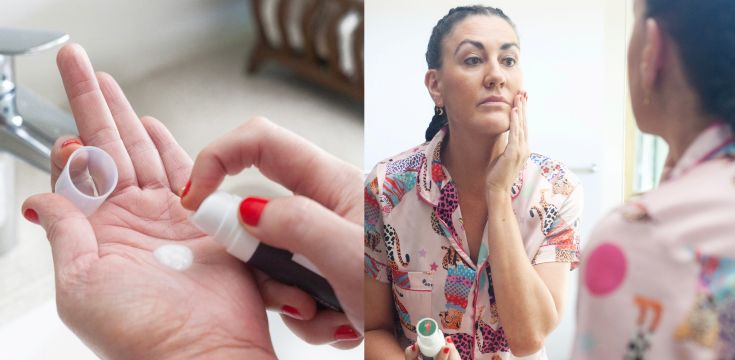
To work, a serum must be applied correctly. Order is critical:
- Cleanser: To prepare the canvas.
- Serum: Apply to clean, slightly damp skin. This is your primary treatment step.
- Moisturiser/Barrier Cream (if needed): This acts as a “seal,” locking in the serum and supporting barrier function without diluting the actives. During the initial adjustment period, as your skin recalibrates, a dedicated barrier cream is invaluable.
- Sunscreen (AM): The non-negotiable final step. No active can outperform sun damage.
When it comes to ingredients, look for these proven performers:
- Vitamin C (L-ascorbic acid or stable derivatives): A collagen co-factor and potent antioxidant that brightens and defends.
- Retinol: The gold standard for anti-ageing, it normalises cell turnover and boosts collagen at a genetic level.
- Niacinamide: A multi-talent that strengthens the barrier, calms inflammation, and evens tone.
- Alpha Lipoic Acid: A potent, versatile antioxidant that can improve texture and refine pores.
However, a one-size-fits-all approach fails. Your serum must be chosen based on your unique skin type, primary concerns (pigmentation, ageing, acne), age, and even our Pretoria climate. What works for dry, mature skin will overwhelm oily, acne-prone skin.
The Value of Clinical Guidance
This leads to the final, crucial point: the clinical advantage. Medical-grade serums, recommended by a professional, differ from over-the-counter options in three key ways: potency, precision, and partnership.
In a clinical setting, we use pharmaceutical-grade actives at evidence-based concentrations that are stabilised for real efficacy.
We can prescribe formulas specifically engineered for concerns like melasma or rosacea. Most importantly, you gain a professional partner. My team and I assess your skin, consider your history, and create a tailored protocol, guiding you on how to introduce potent actives safely and combine them with treatments for cumulative results. You’re not just buying a bottle; you’re investing in a scientifically-backed strategy for your skin’s health.
My Final Prescription
If you want to invest in a serum and see real clinical results, here is my top advice:
Choose one targeted, medical-grade serum with professional guidance, and use it with unwavering consistency. Start by addressing your main concern, introduce it gradually (especially retinoids), and give it at least three months. The time for a full skin cycle to show its true effects. And never forget: the most potent serum in the world is rendered useless without daily, broad-spectrum SPF.
This is non-negotiable. Commit to the science, and you commit to lasting skin health.
Dr. Juanri Jonck is the co- founder of Twenty 4 skincare and lead aesthetic doctor at LifeLAB Medical in Pretoria, where she combines medical expertise with a holistic approach to skin health.