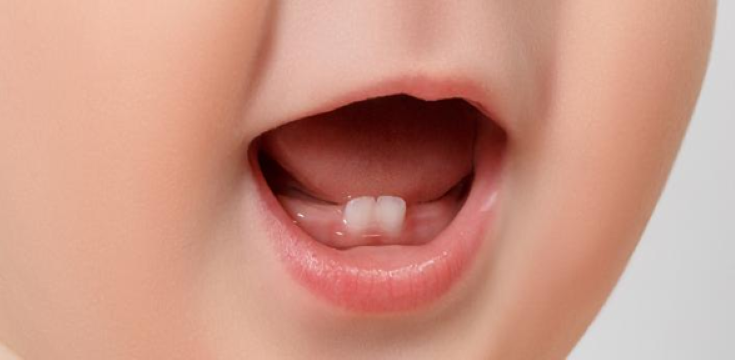
If your baby’s teeth appeared earlier than expected, you may have wondered what influenced that early start. Some parents attribute it to good genetics, while others assume their child is simply developing faster than their peers. But emerging research suggests the answer may lie even earlier during pregnancy itself.
A new study from the United States indicates that the timing of teething could be influenced by conditions in the womb, particularly pregnancy-related hormone levels. Researchers say these findings may shift how we understand early developmental milestones, highlighting that some traits and timelines may be shaped well before birth, rather than being determined solely by genetics or postnatal development.
What the study found
A study published in Frontiers in Oral Health followed 142 pregnant women from socioeconomically disadvantaged backgrounds. They tracked their hormone levels during the late second and third trimesters. Researchers then monitored each child’s tooth eruption at seven time points up to age two.
The findings revealed considerable variation, which is expected. Babies typically get their first teeth anywhere between six months and three years. But for the first time, researchers identified a clear biological link.
The data showed that infants of mothers with the highest cortisol levels had, on average, four more erupted teeth by six months than infants of mothers with the lowest levels.
How pregnancy hormones influence tooth eruption
Cortisol, the body’s main stress hormone, appears to play a role in how teeth mineralise and develop in the womb.
The study also identified weaker but statistically significant links between other hormones (estradiol, progesterone, testosterone, and triiodothyronine) and the number of teeth present at 12, 18, and 24 months. These hormones are already known to influence fetal development, birth weight,t and bone growth.
Importantly, diagnosed maternal anxiety or depression was not associated with hormone levels or tooth eruption timing, meaning the effect is biological, not behavioural.
Should parents worry about early teething?
Early teething is typically harmless, and paediatricians generally consider it part of normal variation. However, the researchers note that earlier tooth eruption may reflect what they call “accelerated biological development”, sometimes linked to prenatal stress exposure.
For South African parents, many of whom experience pressures, financial challenges, limited maternity support, or work-related stress, the findings highlight why accessible prenatal care and support remain essential. Expectant mothers can also lower their stress levels by making time for a stress-reducing hobby. Paediatricians recommend simply noting early teething during routine baby checks, especially if combined with other developmental concerns.
For now, parents can take comfort knowing that early teething is usually normal. Science is simply giving us a better understanding of the journey babies take long before they are born.