For fresh breath and a healthy mouth, dental professionals recommend cleaning your tongue daily as part of an effective oral hygiene routine. It’s quick, easy, and can make a big difference to your oral health.
Choose the right tool
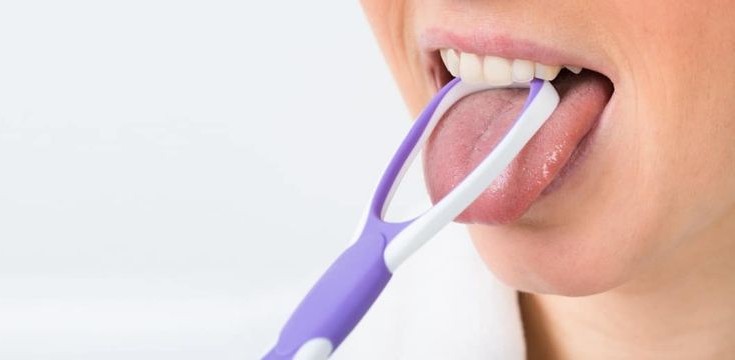
Ideally, use a tool designed specifically for tongue cleaning, like the soft and gentle Sunstar GUM Tongue Cleaner. If you don’t have one, you can use your toothbrush or even a metal teaspoon turned upside down.
Clean your tongue at least once a day
Do it when you brush your teeth, especially if you smoke or experience post-nasal drip, both of which can contribute to bad breath.
Start at the back and scrape forward
Gently scrape from the back to the front of the tongue. Start as far back as you can without gagging. Pro tip: Breathe out while cleaning the back of the tongue to help prevent gagging.
Rinse between each swipe
Clean your tool thoroughly after each pass to remove debris.
Gargle for extra freshness
Rinse your mouth with water or an alcohol-free mouthwash to wash away any remaining particles.
Clean before or after brushing?
That’s up to you! Some people prefer to clean their tongue after brushing and flossing, while others prefer to do it before. Cleaning your tongue at night can help reduce morning breath.
For extra freshness, brush your tongue
Use a small amount of toothpaste and gently brush your tongue before cleaning it.
Why Cleaning Your Tongue Matters
The back of the tongue is one of the most common sources of bad breath. It’s a place where the bacteria that cause bad breath can thrive, feeding on food particles, post-nasal drip, and dead cells.
Cleaning your tongue removes debris and odour-causing bacteria, helping you maintain fresh breath and a healthy mouth.
[Disclaimer]
The information provided on this website is intended for general informational purposes only. It should not be construed as medical advice or used as a substitute for professional medical diagnosis or treatment. Always consult your dentist, oral hygienist, or another healthcare provider for advice on your oral health or other medical conditions. Reliance on information provided on this website is solely at your own risk.