Many South Africans, who may have held out in hopes of brighter days, are now considering installing solar power systems in their homes and business premises as the reality of load-shedding’s longevity becomes apparent. However, the various factors that must be taken into consideration, added to the abundance of product options and providers available, as well as the costs, can make it daunting and difficult to know where to start.
To help take your first steps into solar, Orlando Luis, CEO of Brights Hardware, has created a list of the basic things to consider, and do.
Step 1 – Do your homework before you install solar
“Firstly, try and reduce the amount of electricity that you consume. For example, if in your home you’re still cooking on an electric stove, it might be a good idea to switch to a gas hob and oven. Also limit the use of things such as pool pumps and tumble driers. Whether in your home or business premises, it’s a good idea to replace all your bulbs with energy-efficient LEDs and cut down on things such as the air conditioning or heating etc.”
“Then decide what your goals are – do you want to have a backup source of power to get you through load-shedding, or do you want to get off the grid completely?” According to Luis, many people start with a more affordable basic system with the plan to upgrade over time, adding more solar panels and batteries, as budget allows.
“Next, you should measure your power consumption to better understand what size system you need to meet your immediate goals, and also your future goals (if you are planning an upgrade in time),” Luis advises that you can use your monthly electricity bill to get a guideline.
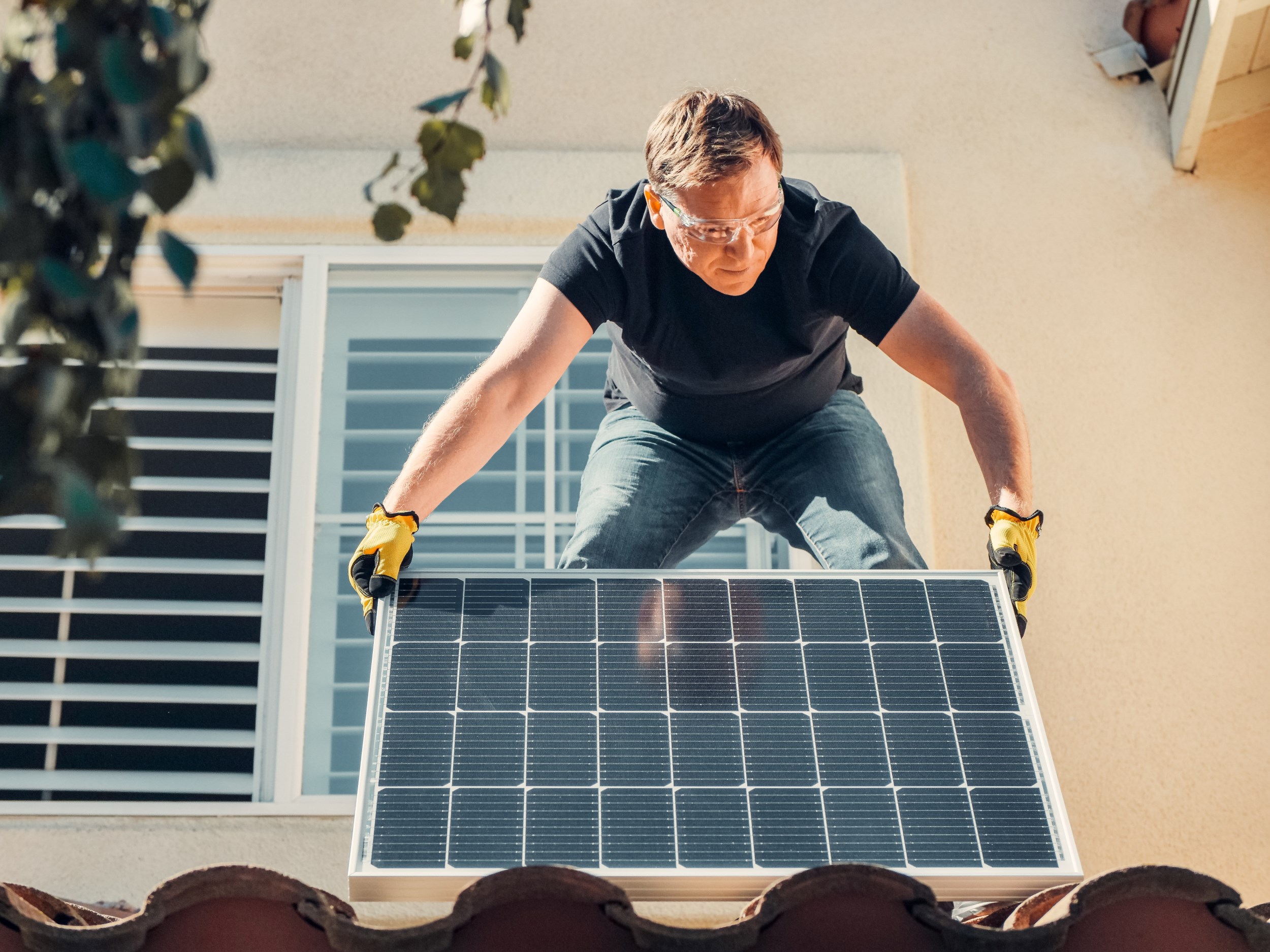
An important part of doing your homework before going solar is to choosing a reputable solar installer. “An experienced and reputable solar expert will be able to guide you on your solar installation in terms of meeting immediate goals, as well as a future solar system upgrade plan. They will also be able to help guide you on the choice of quality panels and batteries. In addition, they will work with you to meet the required by-laws and regulations governing solar installations,” says Luis.
“Some things to look out for when choosing your solar contractor include an established track record with a list of contactable references, a strong commitment to aftersales service, and generous service warranties. It is important to find out if the contractor is accredited to install solar systems and can give you a certificate of compliance – which is required for insurance purposes.”
“Using unqualified personnel or poor-quality equipment can cause power surges that result in damage to your home’s other electrical equipment or even fires and could lead to insurance not paying out in the event of household damage,” warns Luis.
“Other things to consider include your budget, the slope, size and condition of your roof, and any rules governing your property such as those under a body corporate or municipal legislation.”
Step 2 – Buying the solar panels and batteries
Once you have ascertained your budget, usage levels, and solar goals, you will have an idea of how many solar panels and batteries you need. A good solar installer will also help guide you on this aspect.
“It is important to purchase good quality solar panels and batteries,” says Luis, “and not necessarily always go for the cheapest on the market. For example, I always recommend lithium-ion over lead-acid or deep-cycle gel batteries because they have a much longer lifespan, however, they do cost more in the short run.”
“When it comes to solar panels, the most important aspects to look for are if the panels are poly or monocrystalline, what their power and efficiency rating is, the overall quality and durability, and the manufacturer’s guarantees.”
Luis explains that mono-crystalline solar panels have solar cells made from a single crystal of silicon, while poly-crystalline solar panels have solar cells made from many silicon fragments melted together. “Mono-crystalline panels, in general, have higher efficiencies than poly-crystalline panels but are more expensive. The option you choose comes down to your personal preferences and finances.”
All solar panels receive a power rating indicating the amount of power they produce under standard test conditions. According to Luis, a higher power rating means that the panels are more effective at producing power. “Solar panel efficiency represents how effectively a solar panel can convert solar radiation into electricity.
Efficiency is particularly important if you have limited roof space and large energy bills. Look for solar panels that are ISO (International Organization for Standardization) 9000-compliant and certified, which means that they meet quality assurance standards. Solar panel durability metrics measure how well panels will hold up over time through years of outdoor wear and tear.”
Luis goes on to advise that the manufacturers’ warranties are an extremely important factor in the buying decision. “If a problem occurs post-installation, a strong warranty will protect you from financial loss. Read the fine print and check what the output warranties are, and what the material warranties cover.”
Step 3 – What you need to do once your solar system is installed
“It is important to note that if your solar installation is still tied to the electricity grid it must be signed off by a professional electrical engineer registered with the Engineering Council of South Africa and your system must also be registered with your local municipality.”
“Then remember to let your insurance know about your new solar installation. Check whether your insurer has any additional requirements for insuring the system, and read your insurance policy to ensure it covers damage caused by extreme weather, power surges and fires.”
“Going solar is not an inexpensive solution but done correctly it will provide many years of power solutions to your home or business premises, as well as increase the value and desirability of a property – not to mention the perk of weathering load-shedding with absolute ease.”
For more visit: www.brights.co.za