Understanding natural hair is a subject that is often waged on and becomes a war of opinion and fact.
The late Hugh Masekela once wrote that natural hair “has always been a universal issue of major intrigue and an amazing psychological jigsaw puzzle regarding identity, image, self-esteem, and heritage.” This view of natural hair comes from his years both in South Africa and abroad when he witnessed the battle that most women had with their natural hair. He believed that hair was a part of culture and identity and should be embraced as such. It was well known that he preferred not to be photographed with anyone wearing a wig or a weave.
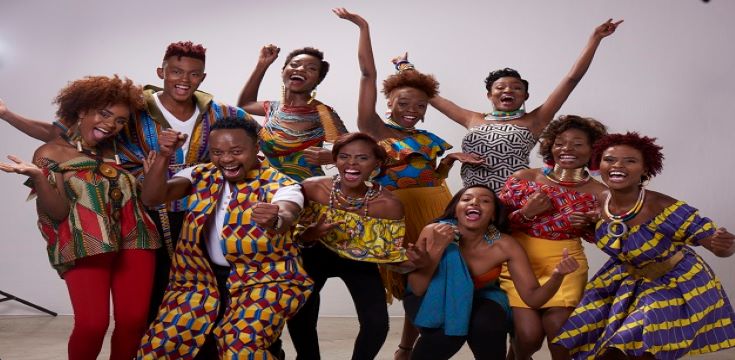
In South Africa, the natural hair movement is still ongoing. School-going-aged children have been known to protest the right to wear their hair in natural hairstyles and embrace who they are without conforming to an idealised version of “neat” and “acceptable” hair. Revlon Realistic Special Feeling brand manager explains that the choices made with regards to natural hairstyles has shifted from fashion and trends to making a statement and accepting a heritage or culture coming to the foreground that was once overlooked.
The past and natural hair
References to natural hair can be seen throughout history, and often natural hair, hairstyles, and social and political movements can be linked together. Revlon Realistic Special Feeling explains that women throughout history have known that to make a statement, they can do so with their hair. In fact, box braids to dreadlocks and afros can be found in drawings, engravings, and hieroglyphs from Ancient Egypt.
During the African slave trade creative expression with hair was not allowed, and most of the time natural hair was cut short to enforce submission and take away identity. Revlon Realistic Special Feeling states that hair was seen as an expression of freedom and even when black women were free, they were asked to cover up their hair with a scarf.
Western hairstyles have often inspired natural hair, and in the early 1900s, Madame CJ Walker started her million-dollar business making straightening haircare products for natural hair. Walker became the first self-made African American women millionaire in the USA.
Natural hair movement
The revolution to embrace natural hair only came about in the 1960s and 1970s during the civil rights movement. Revlon Realistic Special Feeling shares that black communities were encouraged to embrace their natural hair and not conform to western standards. These hairstyles were a sign of activism and a statement to reclaim their roots but were often criticised and labelled as unprofessional.
The natural hair movement is a dynamic movement that evolves every day. From the afros in the 70s came about hairstyles influenced by the hip hop culture in the 80s which incorporated the afros from the decade before. From here different hairstyles have emerged, often with nods to different cultures and heritage.
For more visit; www.idefinemyself.co.za