We understand how getting rid of unwanted, embarrassing hair can make you look and feel smooth, confident, and carefree. But before you schedule your next wax appointment, consider these unwanted “side effects” of waxing that can leave you with more than you bargained for.
Waxing creates tiny wounds under the skin
That means your skin may be exposed to harmful germs that have the potential to cause infections. The risk is significantly elevated in the bikini area. Especially in a Brazilian wax, where bacteria are more likely to be present. In addition to more superficial infections, bacteria can migrate to deeper levels of your skin, causing dangerous cellulitis infections.
Bikini waxes leave you more vulnerable to a viral infection
That causes wart-like growths around the anus, vagina, and vulva. The virus, called molluscum contagiosum, can be treated, but it can take a long time for it to clear up. Leaving you with unsightly bumps in the meantime.
Bruising and bleeding
Although it happens rarely, waxing can cause trauma to the skin. The risk is higher for people who’ve recently spent a lot of time in the sun. Who had a cosmetic procedure (such as dermabrasion), are taking medications associated with bruising (like aspirin, blood thinners, or hormonal birth control), or have certain medical conditions such as rosacea or phlebitis (inflammation of a vein).
Waxing causes the hair bulb to become damaged
It means when hair does grow back, it will be much finer than before. That may sound like a good “side effect,” but if you decide to stop waxing, and start laser, this causes issues as it’s much harder to treat finer hair with laser. Hair may even be too fine to laser and you may need to opt for electrolysis.
Hot wax can burn your skin
Especially if you use skin products that contain retinoids, acids, or other anti-aging compounds that make skin more tender and more susceptible to heat damage.
Wait for the hair to grow
For the best wax, the length of hair is key. For maximum results, it is ideal to grow hair out to at least one-eighth of an inch before going in for your wax. This means that if you pick waxing as your preferred method of hair removal, you are really only smooth for about 1 week of the month.
Waxing and shaving can cause pigmentation
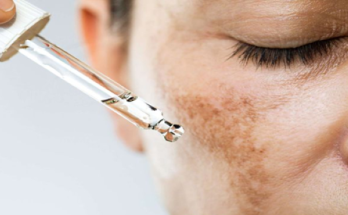
You may have read that waxing and shaving can cause darkening and darker skin patches called hyperpigmentation. Hyperpigmentation can occur after skin lifting, burning, irritation, and bruising. All of which are possibly aide effects of waxing and shaving.
Hyperpigmentation occurs when excess melanin forms deposits under the lower layer of the epidermis and darker patches begin to appear. There are two types of hyperpigmentation, Passive Pigmentation and Post Inflammatory Hyperpigmentation (PIH).
Passive Pigmentation – occurs when an internal imbalance stimulates our melanin-producing hormones. Thisgenerally occurs in women around times of hormonal changes such as puberty, pregnancy, contraceptive medication, and menopause.
Post Inflammatory Hyperpigmentation – is the result of skin trauma. When our skin is in distress, our melanocyte cell is stimulated to send melanin to the skin’s surface (between the dermis and the epidermis). Where waxing is concerned, the preventable trauma associated with hyperpigmentation occurs when the skin layers have been damaged due to lifting, burning, irritation, and subsequent bruising. When shaving is concerned, the irritation of shaving causes similar effects that waxing does.
Waxing can cause ingrown hair
An ingrown hair is what happens when a hair curls back and grows into the skin. It’s a red, raised bump that looks like a pimple. They can be itchy and uncomfortable, and, in some instances, they can become infected and turn into painful sores. Even if you can’t feel your ingrown hairs, they’re frustrating to look at, especially when you want to show off your smooth skin!
Folliculitis
Folliculitis is a bacterial skin infection that can result from damage to hair follicles. It’s often caused by shaving as well. One study found that folliculitis due to waxing occurs most often on the arms.
Waxing is not ideal for skin health or anti-aging
After waxing, your skin might end up looking a little blotchy. It leaves your sensitive skin with some discomfort, redness, and irritation. All these reactions of the skin are a result of the force with which the hair follicles are pulled from the roots, which leaves the skin inflamed.
Sunburn
Because waxing removes a very thin layer of skin along with hair, waxed areas tend to be more susceptible to sun exposure—what’s known as photosensitivity. This is especially likely to happen if you’re taking a hormonal contraceptive, birth control pills often are prescribed to help treat PCOS.
If you have ever had a wax, you will agree that yanking hair from the root is not a pleasant experience. In today’s day and age, with today’s technology and the fact that the price of pain-free, permanent laser hair removal is becoming more affordable, it is really not necessary to put yourself or your loved ones through the pain.
Laser hair removal offers a great alternative to waxing, providing long-term results you can feel confident about. To learn more about laser hair removal visit www.thelaserbeautique.co.za or call 0861 850 851