Your heart works on a rhythm. When that rhythm becomes irregular, it’s known as an arrhythmia. Some arrhythmias are harmless, but others can lead to serious health complications if left untreated. One of the most common types is atrial fibrillation (A-Fib). This condition can significantly increase the risk of stroke, yet many people don’t realise they have it. Symptoms can be mild or easy to overlook, including:
- A fluttering or racing heartbeat.
- Feeling unusually tired.
- Shortness of breath.
- Dizziness or light-headedness.
How Smart Wearables Are Changing the Game
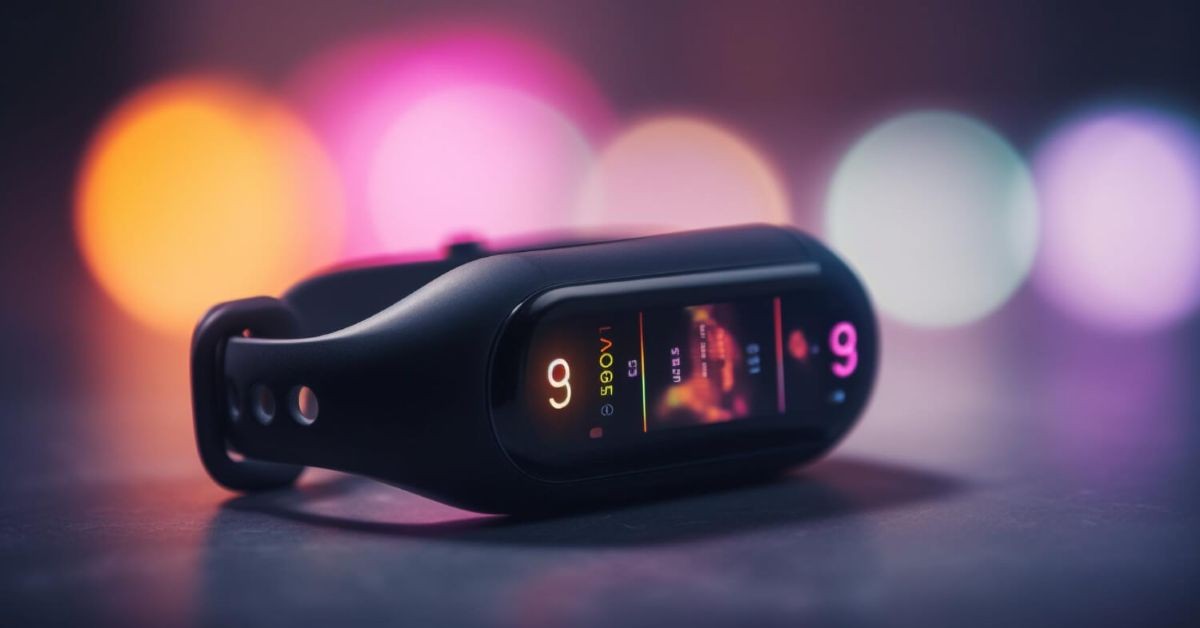
Smartwatches and fitness trackers have evolved far beyond just counting steps. Many now include sensors that continuously monitor your heart rate throughout the day. These devices use light-based technology to track blood flow and detect changes in your pulse. Some also allow users to take a simple ECG reading by touching the device.
What makes these tools even more powerful is artificial intelligence (AI). AI analyses the data collected and looks for patterns that may suggest an irregular heart rhythm. If something unusual is detected, the device can notify the user, prompting them to take the next step.
What These Devices Can and Can’t Detect
Smart wearables are particularly useful for flagging possible irregular heart rhythms, especially atrial fibrillation. Large studies have shown that wearable devices can accurately identify irregular pulse patterns that may be linked to AFib. This can help people seek medical advice earlier than they otherwise would.
These devices:
- Do not diagnose heart conditions.
- May not detect all types of arrhythmias.
- Do not monitor every heartbeat continuously.
Why Early Detection Can Save Lives
Catching a heart rhythm problem early can make a significant difference. When conditions such as A-Fib are identified early, treatment can help:
- Lower the risk of stroke.
- Prevent complications.
- Improve long-term heart health.
Without early detection, many people only discover there’s a problem after a serious health event.
What to Do If You Get an Alert
If your smartwatch or fitness tracker notifies you of an irregular rhythm, don’t ignore it, but don’t panic either. The next step should always be to speak to a healthcare professional. They may recommend further tests, such as a full ECG, to confirm whether there is a real issue. If you experience severe symptoms such as chest pain, fainting, or difficulty breathing, seek emergency medical care immediately.
A Smarter Way to Stay Aware
One of the biggest benefits of wearable technology is how it encourages people to become more aware of their health. Instead of only thinking about your heart during a doctor’s visit, you now have access to daily insights. This helps you notice changes, track patterns, and take action earlier. Even something as simple as checking your watch can become part of a more proactive approach to health.
Who Should Be Paying Attention?
While smart wearables can benefit almost anyone, they may be especially useful for:
- Adults over 40.
- People with high blood pressure.
- Those with a family history of heart disease.
- Anyone experiencing unexplained fatigue or heart palpitations.
The Future of Heart Health
As AI technology continues to advance, smart wearables are expected to become even more sophisticated in detecting potential health issues. However, they work best as part of a bigger picture, alongside regular check-ups, medical advice, and a healthy lifestyle. They are not a replacement for professional care, but they are becoming an important tool in helping people take control of their health.
Heart rhythm problems don’t always present clear warning signs, but they can still result in serious consequences. Smart wearables can help detect possible irregular rhythms, such as atrial fibrillation, giving people an earlier prompt to get checked. Having access to reliable healthcare support also makes a difference. Affinity Health supports early detection and proactive care by helping members access GP consultations, managed clinic visits, and a broad network of healthcare providers, making it easier to act quickly when something doesn’t feel right.