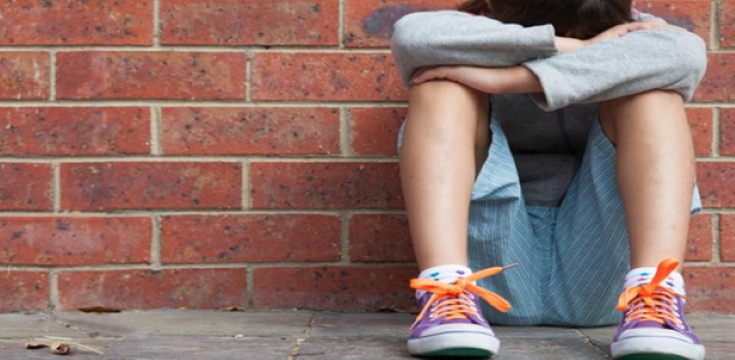
In South Africa, primary and high schools are in the midst of a bullying crisis. Beyond the physical pain, young learners who are bullied by their peers risk developing long-term mental health issues, including depression, anxiety, low self-esteem, and self-harm. It can also have negative repercussions for their academic performance, thus hindering their future opportunities.
Bullying can be hard for your child to talk about, but the signs can show in their actions and body language. Your child may be reluctant to talk to you about being bullied at school. There are various reasons for this, including fearing retaliation from the bully or thinking you might not believe them.
While the horrors of bullying are difficult to express verbally, they can be conveyed clearly in your child’s actions and body language. For example, you notice that they aren’t sleeping properly; they lose interest in their hobbies, they avoid social situations, and tend to stay at home more, and they become visibly nervous when you drop them off at school.
The signs are also evident if their academic performance starts to slip or if you find out that they’ve been skipping school. What’s more, it exists in the form of sudden bruises, wounds, and inexplicable broken bones.
Become your child’s support system
It’s important to hear your child out and offer them comfort when they talk about being bullied. It can be disheartening to discover that your child is being bullied. By the same token, it is a positive step forward for both of you to address the situation head-on.
It is important to be calm and compassionate as your child opens up about their ordeals. It may be difficult for them to share, but offering them comfort or showing them that you’re listening carefully goes a long way in building trust and validating their feelings. Afterwards, reassure them that it’s not their fault and let them know that you will do everything in your power to help them.
Once you have documented all the facts about these incidents, report them to your child’s school. Typically, all schools in South Africa are expected to enforce anti-bullying policies in their Code of Conduct; as such, the school’s authority figures – namely, your child’s teacher, the principal and the counsellor – need to work together to take action.
Such actions include launching an internal investigation into these incidents, speaking to the alleged bully and their parents, and implementing disciplinary measures, such as suspension or expulsion. All in all, these can curb bullying behaviour and raise significant awareness around it.
What to do if your child is bullying their peers
Discovering that your child is bullying others can be deeply upsetting and unexpected, but how you respond in this moment can make a lasting difference. Ignoring the behaviour or hoping it will resolve on its own may allow it to escalate and cause further harm to both your child and their peers.
Start by having a calm, honest conversation with your child. Create a safe, non-judgemental space where they feel heard rather than attacked. Listen carefully to what they say and resist the urge to react emotionally or place blame. In many cases, involving a social worker, school counsellor, or psychologist can be incredibly helpful, as children often open up more easily to a neutral third party.
Explore the reasons behind the behaviour
As you explore the reasons behind the behaviour, you may uncover underlying issues such as anger, insecurity, jealousy, or low self-esteem. Bullying can sometimes be a way for children to cope with overwhelming emotions or to regain a sense of control. It is also possible that your child is experiencing bullying themselves, or is exposed to aggressive or harmful behaviour at home, online, or within their community, and is repeating what they see.
Once you have a clearer understanding of what is driving the behaviour, it’s important to set firm boundaries. Make it clear that bullying is unacceptable and will not be tolerated. Appropriate consequences, such as restricting screen time, limiting social activities, or removing certain privileges, can help reinforce accountability, provided they are consistent and explained calmly.
Positive change
At the same time, focus on guiding your child toward positive change. Teach empathy, respect, and kindness by modelling these behaviours yourself. Encourage your child to take responsibility for their actions, including apologising to those they have hurt where appropriate. Recognise and praise positive behaviour, no matter how small, to reinforce healthier ways of interacting with others.
With patience, clear guidance, and the right support, children can unlearn aggressive behaviours, develop emotional awareness, and grow into more compassionate individuals. Addressing bullying early not only protects others, but it also helps your child build the skills they need to form healthy, respectful relationships in the future.
Taking a stand against bullying is difficult, but doable
Bullying in all its forms is inexcusable. It has no place in the world, especially in schools, where learners deserve to have safe access to education. Don’t wait for your child to be hurt or fatally injured before you finally take action. Even if it sounds impossible, taking a stand against bullying or preventing it from happening is achievable. In the end, your efforts can help create a safer, more enjoyable environment for all.