Four South African women business owners have been selected as the recipients of The Good Business Spotlight, an initiative by The Good Businesswoman that invited people to nominate women doing remarkable work through the businesses they lead.
The recipients are Faye Ross, director and recruiter at The Make It Good Company, Nicky James, co-founder of Tribeca Public Relations, Tamlynne Wilton-Gurney, CEO and chief ideas officer at idna, and Vicki Scheffel, founder of GE-SKENK.
Created for Women’s Month, the campaign looked for women who lead their teams with a focus on clear values and high standards, run businesses that genuinely serve people and use their skills, influence or resources to strengthen their communities. It also set out to recognise women doing remarkable work without constantly announcing that they are remarkable.
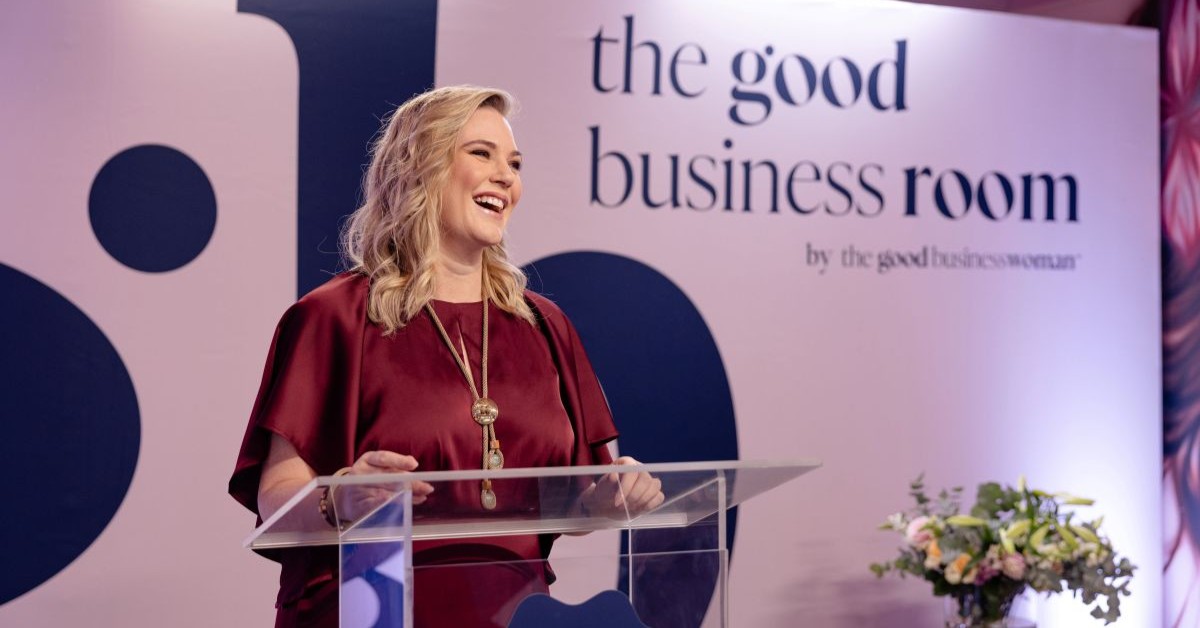
Jeni-Anne Campbell, founder of The Good Businesswoman and author of Feeding Unicorns, says many women remain focused on running their businesses, supporting their teams and serving their clients without stopping to recognise the significance of what they are building.
“We were looking for women whose values are visible in the way they do business every day. Each of them is a good businesswoman in her own way. For one, that means protecting the people on her team, while for another it means creating access to opportunities or making sure an experience leaves something useful behind. Much of this work happens quietly, which is exactly why we wanted to put a spotlight on it,” explains Campbell.
“What stood out in these four stories was how practical good business is. You see it in who gets an opportunity, how people are treated, which work a business is prepared to walk away from and what remains after the work is finished.”
Through The Make It Good Company, Ross is building a recruitment agency centred on integrity and genuine human connection. Her experience has shown her that employers cannot expect a job and salary to automatically earn an employee’s gratitude or loyalty. Good people need an environment where they feel trusted, valued and able to build meaningful careers.
James has spent 20 years building Tribeca Public Relations around a commitment to doing what the agency promises and putting its people first. Her story looks at the cumulative impact leaders have through everyday interactions, including moments they may barely remember themselves. For James, the legacy of a business includes the people who leave it stronger and carry what they learnt into the next stage of their careers.
At idna, Wilton-Gurney is questioning how the events industry defines a successful experience. Her psychology background has shaped an approach that begins with what people should think, feel or do because they were in the room. She also believes events can create jobs, build skills and give smaller suppliers access to opportunities, allowing their impact to continue long after the stage has been packed away.
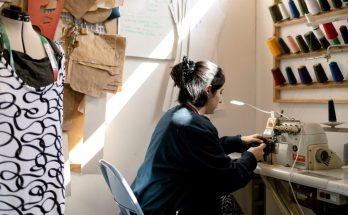
Scheffel’s work through GE-SKENK explores how existing corporate spend can create meaningful opportunities for South African makers, small businesses and social enterprises. Her approach asks companies to look at the money they already spend on gifts, merchandise and events, then consider where that money could create local income and commercially viable access.
Campbell says the winners show that there is no single personality or leadership style that defines a good businesswoman.
“These are four very different women leading four very different businesses, and their strengths do not look the same. Good business can be decisive, creative, commercially ambitious, deeply human or quietly consistent. What matters is whether your values survive the pressure of real decisions and whether the business leaves people stronger.”
The recognition is designed to carry each winner’s story beyond the announcement, with their story profiled across The Good Businesswoman platforms and featured in the GBW newsletter. Together, these opportunities give each woman space to share what she has learnt through building her business and allow that thinking to become part of a wider conversation.
Each woman recognised by this campaign will also receive a copy of Feeding Unicorns, Jeni-Anne Campbell’s book about the identity shift women experience as they grow into leadership and carry greater responsibility. The book offers each one a chance to recognise her own growth in the experiences of other women and reflect on the leader she has become.
“The spotlight belongs to these four women, but their stories also invite every business owner to look at their own decisions and ask a simple question: what does the way I do business make possible for somebody else?” concludes Campbell.