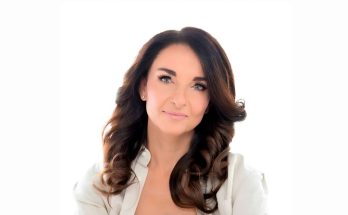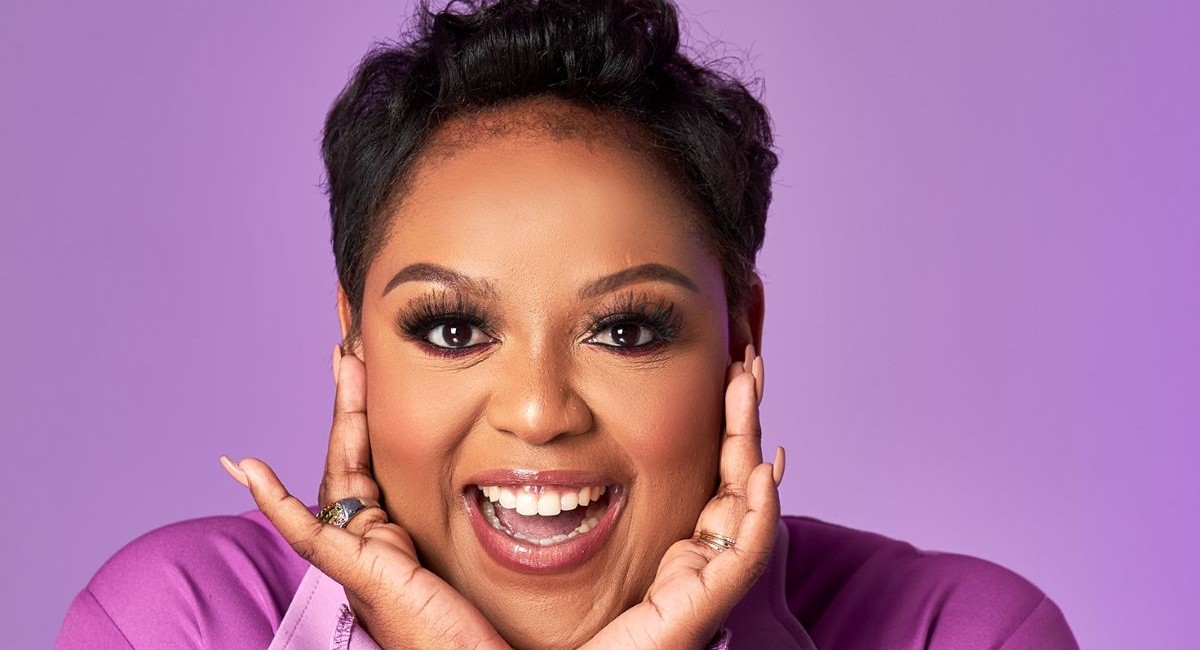
In this inspiring #CareerFocus Q&A, Carol shares insights into the evolution of radio, the importance of adaptability, and the lessons she’s learned while building a long-lasting career in broadcasting, offering valuable advice for young women aspiring to enter the world of media and entertainment.
1. You’ve built an impressive career spanning over two decades in broadcasting. What first inspired you to pursue radio as a career?
When I was studying at the University of Johannesburg, I noticed that there was a radio station playing at the student centre, and I went to enquire about it, auditioned, started reading the news, and eventually started presenting there. After I graduated, I started looking for work in all avenues of journalism, but pushed the radio side of things more. My CV landed on the desk of Benita Levin at 94.7; the rest is history.
2. Can you take us back to your early days in the industry? What did breaking into radio look like at that time?
You had to know someone who knew someone, and you had to do a lot of work to find out who the programming manager or editor of that particular station was. There was no LinkedIn, no WhatsApp, no internet, and you really had to network, be charismatic, and put in the effort to reach the right people
3. How did you go about getting your first break in an era before social media and digital platforms?
I got my BA in journalism and majored in Politics and Audiovisual at UJ, and after my CV landed on the desk of Benita Levin, she got me into 94.7, and I started doing some reporting. I then got the opportunity to do the graveyard shift on weekends, and eventually, my boss, Ravi Naidoo, pushed me to pick either news reporting or being a presenter on air. I had to cut my teeth, and I built my confidence and community.
4. What were some of the biggest challenges you faced starting, and how did you overcome them?
The biggest challenge was feeling like you will never get to the place you see yourself at. However, I continued to push and keep myself busy, so I fell into voice-overs and started working a retail radio job, so while I was doing my graveyard shifts, I was also doing radio in the day, except this time I was broadcasting to the staff at Jet and Edgars. The key was certainly keeping yourself busy and gaining as much experience as possible.
5. You’ve seen radio evolve from demo tapes and cold calls to a digital-first industry. What would you say has been the most significant change?
The biggest change is that you don’t need to cut your teeth anymore. You can get on the radio today without having any sort of experience and have a primetime slot! Back in my day, the basic requirement was a ‘radio voice’. These days, that doesn’t even matter.
6. How have social media and personal branding changed what it means to be a radio personality today?
Social media has changed the ENTIRE game. I can literally create a radio station on WhatsApp, Instagram, or start a podcast. However, that allows your audience to get closer to you, they can get to know you on a personal level, and get a deeper insight into your life. You can use social media for personal branding. Back in the day, so many people didn’t even know what the radio presenter looked like. Now, you can connect with your favourite radio personalities on a deeper level, which is great.
7. Do you think the barriers to entry have become easier or more competitive for aspiring radio presenters? Why?
I think barriers to entry have just changed over the years. I would hate to try to get into radio today. I think it’s a lot more competitive today. Raw talent doesn’t always cut it. Today, it’s also about your appearance, likes, popularity, etc., that the barriers are competitive in a different space, not even in the area of talent, and I think that can be very frustrating if you are a person who loves what you do and you’re very good at it, but you also want a personal life.
8. What skills do you believe are essential for someone wanting to succeed in radio today?
I think letting your personality shine is so important. That, respecting the craft and being open to lessons and feedback, and growing. Having a presence and a personality is very important.
9. How do you personally balance traditional broadcasting techniques with modern digital platforms?
It’s a balancing act for sure! For me, I’ve learned that I need to come out of my social media shell, which, as a millennial, social media gives me hyper-anxiety. I have had to learn that if I want to evolve with the times and stay relevant and still be a player in the industry, I need to jack up my social. It’s a balance of being active on social media and letting your work speak for itself, which is why I make sure every second of my show on East Coast Radio is me giving my absolute best.
10. What advice would you give to young women who want to build a long-term career in radio or broadcasting?
You need to understand that working in radio is an extremely different career path and that it is changing at a rapid pace all the time. You’ve got to give yourself grace, you’ve got to be focused, determined, and you have got to put in the work. Also, find yourself a mentor in the industry who can help you grow and hold your hand.
But make sure you put in the work, do the research, and dig deep before coming to a mentor for help. The tools are at your fingertips. You can even ChatGPT links for radio; we couldn’t do that back in the day. You must take your determination, your hard work, your ability to take criticism and ask for it from people you admire, and that will take you places.
11. You’re also a voice artist, podcaster, author, MC, and TV host. How important has versatility been in sustaining your career?
Versatility is everything. Versatility = adaptability. In this world we live in, we’ve got to forever be thinking 5 steps ahead. Everything can go up in smoke at any second, and you’ve got to have as many balls up in the air as possible. For me, it’s radio, it’s voice-overs, it’s hustling a television career, I’m writing books, delivering keynotes, MCing, and creating social media content. You’ve got to keep pushing yourself and adapting to keep up with the times.
12. Looking ahead, where do you see the future of radio heading in the next 5–10 years, especially in a digital landscape?
Radio is still very much alive and well. Radio will always be here. It’s never going to die. The organicness of having a person share their story on a platform like the radio is something so unique. I think the platform will still be a pioneer and remain a pioneer for so many other media.
It’s exciting to see how radio has evolved. Now stations have social media accounts and give listeners even more context and insight through them. I think in 10, 20 years from now, radio will still be here; we may just engage with it slightly differently. Radio still has very long legs.