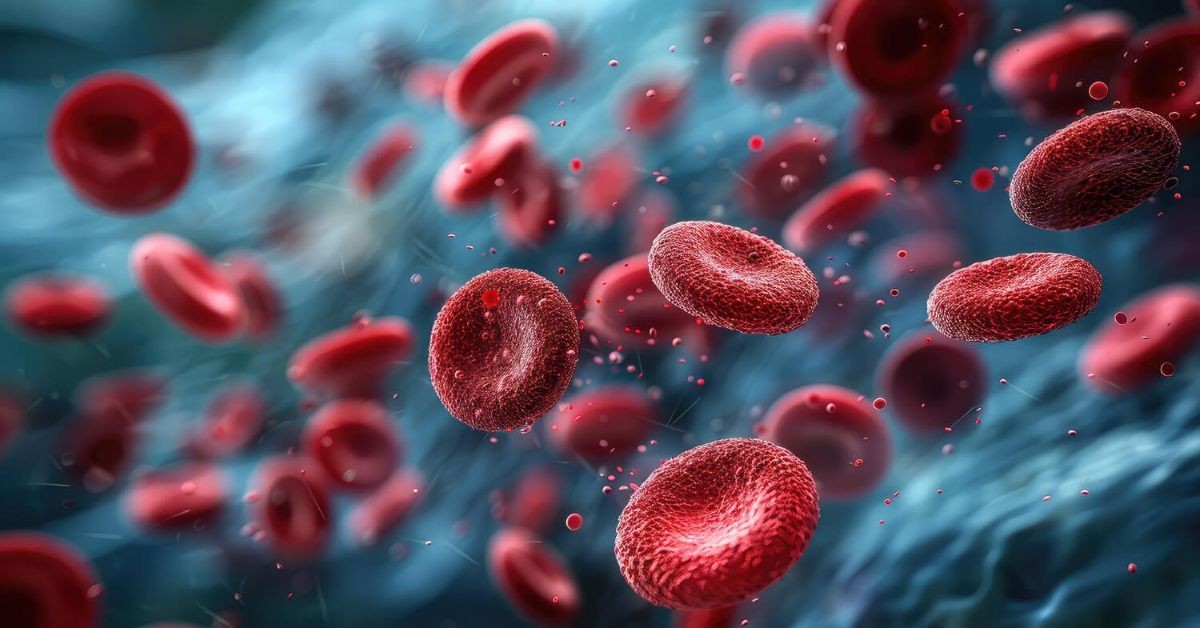
Haemophilia is a rare, inherited bleeding disorder that affects the way blood clots and can lead to prolonged bleeding after injuries or medical procedures. Haemophilia A, the most common type, occurs in about 1 in 5,000 live male births, while haemophilia B is less common. The condition affects people of all races and ethnic groups.
Although haemophilia is sometimes linked to serious medical emergencies, many people who have the condition lead active and fulfilling lives. With the right treatment, proper education, and ongoing medical support, it can be managed effectively on a day-to-day basis.
Understanding Haemophilia
It is usually inherited and, because the condition is linked to the X chromosome, primarily affects males. However, females can be carriers and, in some cases, experience symptoms. Symptoms typically appear in early childhood, particularly once a child becomes more mobile and more prone to bumps and bruises.
There are different levels of severity:
- Mild haemophilia – bleeding usually occurs after surgery or major injury.
- Moderate haemophilia – bleeding may occur after minor injuries.
- Severe haemophilia – spontaneous bleeding can happen without obvious injury, especially into joints and muscles.
Repeated joint bleeds, particularly in the knees, ankles, and elbows, can lead to long-term joint damage if not treated properly.
Despite improved awareness, several myths persist.
- Myth 1: People with haemophilia bleed faster than everyone else.
- Fact: They don’t bleed faster; they bleed for longer. Because their blood does not clot properly, it takes more time for bleeding to stop.
- Myth 2: Even a small cut can be deadly.
- Fact: Most small cuts can be treated with proper first aid. The bigger concern is bleeding inside the body, especially in the joints and muscles, which cannot always be visible.
- Myth 3: People with haemophilia should avoid exercise.
- Fact: Exercise is actually important. Low-impact activities like swimming and walking help build muscle strength and support joint health. High-contact sports may carry more risk, so it’s about choosing activities carefully.
- Myth 4: Haemophilia can be passed from person to person.
- Fact: Haemophilia is not contagious. It is an inherited genetic condition and cannot be caught like an infection.
- Myth 5: Haemophilia only affects children.
- Fact: Haemophilia is a lifelong condition. Although it is often diagnosed in childhood, adults continue to live with and manage it throughout their lives.
Daily Life with Haemophilia
Modern treatment has dramatically improved life expectancy and quality of life for people with haemophilia. The main treatment is clotting factor replacement therapy, which replenishes the missing clotting factor in the bloodstream. This can be administered on demand (when bleeding occurs) or prophylactically (regularly to prevent bleeding episodes).
Many individuals with haemophilia, or parents of children with the condition, are trained to administer factor infusions at home. This reduces the need for hospital visits and allows for faster treatment when bleeding occurs.
Preventive care plays a key role in daily life. This may include:
- Maintaining a healthy weight reduces pressure on joints.
- Wearing protective gear while engaging in physical activity.
- Avoiding medications that increase bleeding risk, such as certain anti-inflammatory drugs.
- Attending regular check-ups with healthcare providers.
Dental care is also important. Gum disease or dental procedures can increase the risk of bleeding, so maintaining good oral hygiene and informing dentists about the condition is essential. For parents, early diagnosis and education are important. Knowing the signs of internal bleeding, such as swelling, warmth, pain, or reduced joint movement, allows for prompt treatment and helps prevent complications.
Emotional and Social Impact
Living with haemophilia is not only about managing bleeding, as it can also take an emotional and social toll. Children may feel left out if they cannot take part in certain sports or physical activities with their friends. Adults may worry about job security, medical expenses, or how their condition could affect insurance coverage.
Having the right support makes a big difference. Patient support groups, counselling services, and community organisations can help individuals and families cope with daily challenges. When schools and workplaces understand haemophilia and make simple adjustments where needed, they create a safer, more supportive environment for everyone.
Treatment has improved significantly over the years, and people with haemophilia today have far better outcomes than in the past. New developments, including longer-lasting clotting factor treatments and ongoing research into gene therapy, offer hope for simpler, more effective care in the future.
When to Seek Medical Attention
Although many bleeds can be managed at home with recommended treatment, urgent medical care is needed if there are signs of:
- Head injury or suspected brain bleed.
- Severe abdominal pain.
- Neck or throat swelling.
- Persistent joint pain that does not improve.
- Heavy or uncontrolled bleeding.
Living with haemophilia requires awareness, planning, and consistent medical care, but it does not define a person’s potential or limit their future. Education remains one of the most powerful tools in improving outcomes and breaking down misconceptions.