For decades, parents were advised to delay introducing peanuts to infants, especially those considered at high risk for allergies. The logic was simple: avoidance would reduce exposure and therefore reduce risk. But emerging research is turning that thinking on its head.
Could the key to preventing peanut allergies be as simple as when children are first introduced to peanuts? A growing body of evidence suggests exactly that. A landmark study published in the American Academy of Pediatrics is challenging long-held assumptions and offering parents and healthcare professionals a new, science-backed approach to food allergy prevention.
Why early peanut introduction matters
The research highlights a critical window in early infancy when the immune system is still developing and learning what is safe. Controlled clinical trials involving high-risk infants, such as those with severe eczema or egg allergies, found that introducing peanut-containing foods between 4 and 6 months of age reduced the risk of developing a peanut allergy by up to 80%.
Rather than triggering an allergic response, early exposure appears to train the immune system to recognise peanuts as harmless. This process, known as oral tolerance, helps prevent the immune system from mistakenly identifying peanuts as a threat later in life. In contrast, delaying exposure may leave the immune system more likely to overreact when peanuts are eventually introduced.
Researchers caution that continued monitoring and long-term studies are still needed, but the findings are consistent across multiple trials. The evidence increasingly supports the idea that early, controlled exposure can significantly lower the likelihood of lifelong peanut allergies.
What this means for parents and caregivers
For parents, the message is reassuring rather than alarming: early introduction does not mean reckless exposure. Experts recommend speaking to a paediatrician or allergy specialist before introducing peanut-based foods, particularly for babies with known risk factors.
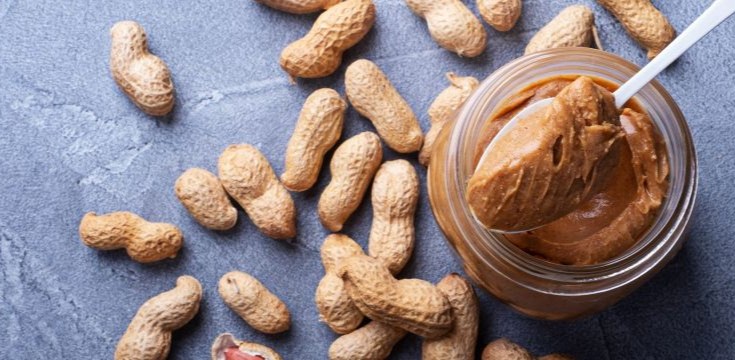
When the time is right, typically between 4 and 6 months, once other solid foods have been tolerated, small amounts of smooth, watered-down peanut butter or peanut purée can be safely introduced. Whole peanuts and thick nut butters should always be avoided due to choking risks.
Healthcare professionals can play a key role by updating feeding advice, addressing parental concerns, and guiding families through safe introduction practices. If these recommendations are widely adopted, experts estimate that thousands of peanut allergies could be prevented each year, easing the long-term health, emotional, and social burden on children and their families.
Early peanut introduction represents a major shift in how we think about allergy prevention. Instead of avoidance, timing and guided exposure may be the most effective tools we have, proving that sometimes, the best defence begins with an early start.