Every afternoon, it’s the same story. Kids arrive home or climb into the car after school and announce they’re starving. Like they haven’t eaten anything all day. Despite the carefully packed lunchbox. Despite the snacks. Despite the backup snacks. For parents juggling homework, lifts to practice, and dinner prep, that post-school hunger can be confusing – and relentless.
“Not all snacks keep hunger at bay the same way,” explains Sonal Ratan, Head Dietitian at FUTURELIFE®. “Some foods fuel energy for longer, which is especially important before or after sport.” “Kids have busy days packed with school, activities, and play, which can be physically and mentally demanding,” she adds. “That’s why their nutrition needs to support all of this – with balanced meals, smart snacks, and practical choices that fit into everyday routines.” The key, Ratan says, isn’t just giving children more to eat in the afternoon – it’s about choosing meals that actually keep them going – that don’t stop at the school gate.
Why Regular Meals Matter
As children are still growing and developing, physical activity increases their daily energy needs. When meals are skipped or there are long gaps between eating, children can arrive at training feeling flat or come home overly hungry. This often leads to frequent snacking on foods high in sugar or low in nutrients in the afternoon, which may reduce their appetite for dinner, the meal that usually offers the most variety and nutrition.
Starting the day right with breakfast helps replenish energy after an overnight fast and is especially important on school and sports days. But not all children feel hungry in the morning and may not want to eat. If your child struggles with appetite early in the day, offering a nutrient-rich, protein-packed smoothie can still help provide fuel without pressure.
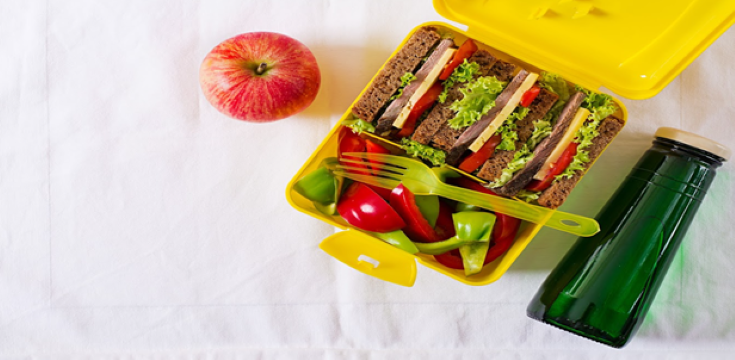
Lunchboxes also play a key role in sustaining children through the school day and into afternoon sport. However, research from the University of Pretoria studying primary school children in Tshwane found concerning patterns: while 69.4% of learners took money to school, only 41.8% brought lunch to school. The money was predominantly used to buy unhealthy snacks containing high levels of sugar and consumed by over 70% of learners. Meanwhile, fruits and vegetables were the least consumed food groups.
The challenge isn’t just about what we pack it’s also about what children will actually eat. Many parents worry that healthy foods will end up in the bin, so involving children in the choices can help them feel more invested.
Strategies to Help:
Let your kids help choose and pack their lunchbox the night before, and use this time to chat about why healthy foods can help support energy levels
Include at least one food you know they’ll eat alongside any new options
- Make nutritious foods appealing:
- Cut fruit into easy-to-eat pieces or shapes
- Pair vegetables with a dip they enjoy, like hummus or yoghurt-based dressing
- Keep portions realistic
When applied practically, these approaches could assist in creating lunchboxes that children are most likely to eat.
Fuelling the Full Day
Of course, breakfast and lunchboxes are just part of a child’s daily nutrition on a school day. To support them through early morning training, a full day of classes, afternoon sports, and homework requires well-timed snacks, balanced meals, and, of course, proper hydration.
Options to help keep active children energised:
Breakfast:
- A shake or a meal
- A smoothie made with fruit and yoghurt or milk
- Wholewheat toast with an egg
School lunch:
- Whole-wheat sandwich or wrap with chicken, egg, or cheese
- A fruit they enjoy, like bananas, apples, or berries
- Raw veggies like carrots and cucumber sticks
- Yoghurt or a high-protein dairy alternative
After-school snack (before sport):
- A protein bar
- A banana with yoghurt
- A energize high energy shake
Dinner:
- A protein source such as chicken, fish, beans, or lentils
- Whole grains such as brown rice or wholewheat pasta
- Vegetables or salad
Meeting children’s nutritional needs doesn’t require complicated meal plans or costly supplements. Research consistently shows that regular meals and snacks, built around balanced, varied foods, are what best support children’s growth, development, and overall health.
For more healthy eating tips and recipes, go to www.futurelife.co.za