As South Africans prepare for the festive season exodus, motorists can expect heightened roadblocks and zero-tolerance enforcement from SAPS and traffic departments across the country. But while the focus is on keeping roads safe, legal experts are reminding drivers that road safety and legal rights must go hand in hand.
“Law enforcement officers have a tough job keeping our roads safe, but that doesn’t mean motorists surrender their rights at a roadblock,” says Kirstie Haslam, Partner at DSC Attorneys. “Knowing what’s lawful, and what isn’t, can prevent unnecessary conflict or even unlawful arrest.”
A deadly festive season on South African roads
Last year’s festive period underscored the dangers of complacency behind the wheel. According to the Department of Transport, more than 997 roadblocks were conducted nationwide between December 2024 and January 2025, leading to 7 448 arrests for offences including drunk driving, speeding, and attempted bribery.
Authorities issued over 711 000 fines, impounded 8 917 unroadworthy vehicles, and recorded 1 234 fatal crashes that claimed 1 502 lives, a 5.3% increase in fatalities compared to the previous year. Pedestrians accounted for 41% of all road deaths, highlighting the shared responsibility between motorists and road users.
“These numbers show why enforcement is essential,” says Haslam. “But it’s equally important that enforcement remains lawful and transparent. When drivers know their rights and officers respect them, roadblocks become safer and more effective for everyone.”
Here’s what motorists should know before they hit the road this December:
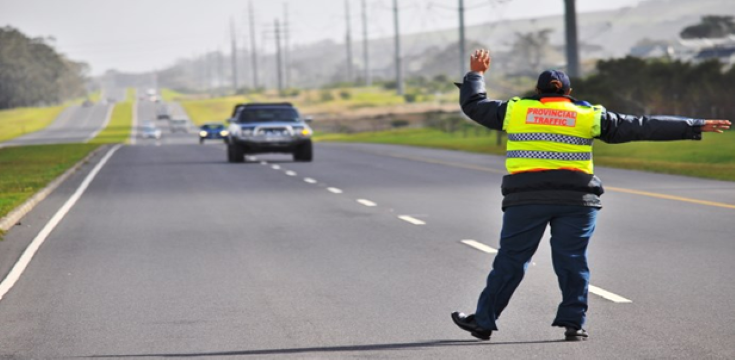
You must stop, but you don’t have to agree to everything. Motorists are legally required to stop and cooperate at authorised roadblocks. However, officers must be in uniform, and the roadblock itself must be officially approved by a provincial or national police commissioner. “You’re entitled to ask for proof that the roadblock has been authorised,” says Haslam. “Random or unauthorised stops could be unlawful, and so are vehicle searches without reasonable cause.”
Breathalyser results can be challenged
If you’re stopped for suspected drunk driving, officers can require a breathalyser test. But breathalyser readings aren’t always accurate; they depend on correct calibration and proper procedure. “You can request that the device’s calibration be verified,” Haslam notes. “And if you dispute the result, you have the right to ask for a blood test, conducted by a medical professional within two hours of arrest. Delays or mishandling of that process can render the results invalid in court.”
You can record the encounter, respectfully
Motorists may record or film their interaction with officers, provided they do not obstruct the roadblock or interfere with duties. “A calm, respectful approach goes a long way,” says Haslam. “Recording the interaction can protect both parties if there’s a dispute later. The key is to document, not provoke.”
You can’t be arrested without cause
Refusing a lawful instruction, such as a valid breathalyser or blood test, can lead to arrest. But being detained without reasonable suspicion, or subjected to excessive force, is unlawful. “If you’re arrested without due process, or injured through misconduct, you may have grounds for a civil or personal injury claim,” Haslam explains. “The law allows you to hold authorities accountable.”
Don’t drive impaired; the best defence is prevention
While asserting your rights is crucial, Haslam stresses that no legal protection excuses reckless behaviour. “The most effective way to avoid conflict at a roadblock is simple: don’t drink and drive,” she says. “Have a plan: a designated driver, a cab, or a lift. Rights are there to protect responsible citizens, not shield bad decisions.”
Rights and responsibility go hand in hand
Every December, South Africa’s road safety campaign collides with human behaviour and fatigue, distraction, speeding, and alcohol abuse remain the leading causes of crashes. “A lawful roadblock should feel safe, not intimidating,” Haslam concludes. “If both motorists and officers understand their roles, everyone gets home safely, which is the whole point of the entire exercise.”